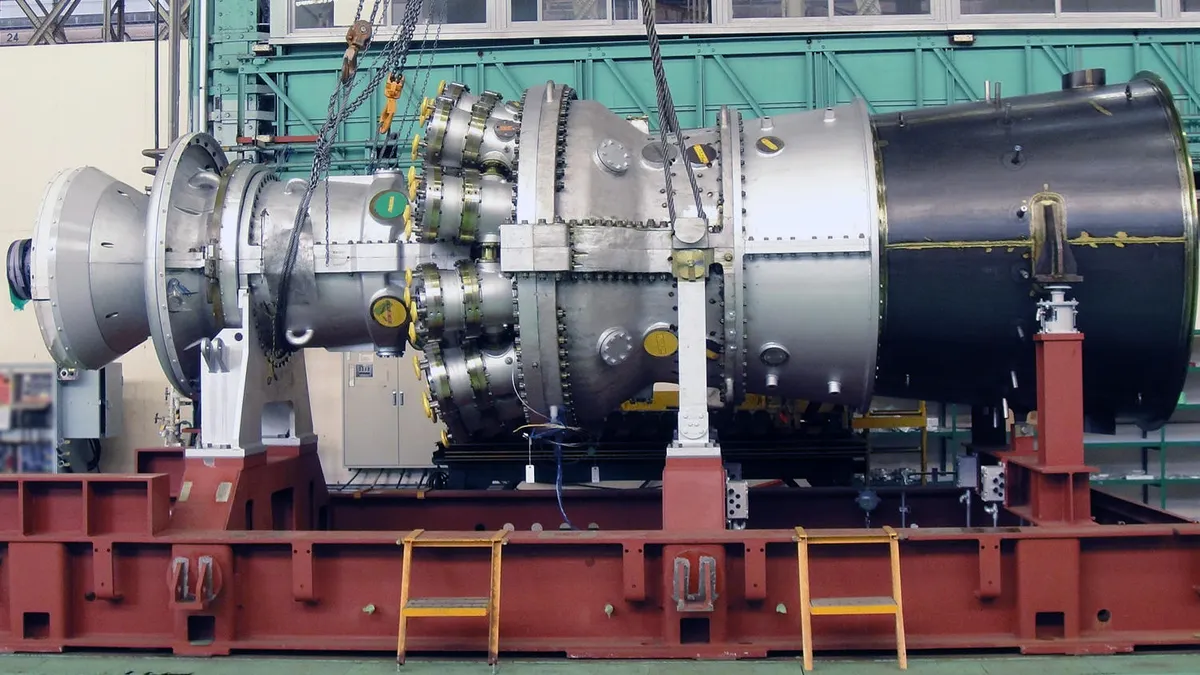
A federal judge has rejected an attempt to dismiss a Clean Air Act lawsuit brought by the NAACP over gas turbines powering an artificial intelligence data center near Memphis, allowing the case to move forward.
U.S. District Judge Debra M. Brown of the U.S. District Court for the Northern District of Mississippi issued the ruling on October 30, 2026. The lawsuit targets 27 gas-fired turbines at the Colossus Gas Plant in Southaven, Mississippi, which supplies power to the Colossus 2 data center in the Memphis area.
The company behind the data center, xAI — now operating under the SpaceXAI name — had argued the turbines qualified as mobile sources exempt from stationary-source air-pollution rules because they sat on flatbed trailers and were intended to remain at the site for less than 12 months. Judge Brown rejected that interpretation.
Under the federal definition incorporated into Mississippi's State Implementation Plan, a combustion turbine counts as stationary if it is not self-propelled, or intended to be propelled, while performing its function — and stationary equipment can sit on a vehicle for portability. The judge concluded that mounting a turbine on a trailer does not remove it from stationary-source requirements. She also found that a July 2025 letter from the Mississippi Department of Environmental Quality did not bind the court's interpretation of the law, and she rejected the company's fair-notice argument.
The judge further found that the plaintiffs have standing under the Clean Air Act and rejected challenges to the law's citizen-suit provision. In the court's words, "the plaintiffs' claims will proceed."
The NAACP and its Mississippi State Conference filed the case on April 14, 2026, represented by the Southern Environmental Law Center and Earthjustice. The suit alleges the companies installed and operated the turbines without the required federal and state air permits or best available control technology. The plaintiffs estimate the turbines could emit about 1,700 tons of nitrogen oxides, 19 tons of formaldehyde, 580 tons of carbon monoxide and 180 tons of fine particulate matter annually — figures cited in the complaint as potential emissions, not measurements of actual emissions. They allege the pollutants could increase health risks for nearby residents and cause unpleasant odors, and they seek an injunction, emissions controls, mitigation or offsets, civil penalties and legal costs.
The ruling does not establish that the companies violated the Clean Air Act, determine the plant's actual emissions, or order pollution controls installed. A request for a preliminary injunction remains pending, and the underlying pollution claims will be addressed in further proceedings. The U.S. Department of Justice had also sought to end the case; the court denied that request in a separate earlier order.
Why it matters: the decision keeps a civil rights organization's environmental case alive against one of the largest AI infrastructure buildouts in the Memphis area, and it signals that temporary, trailer-mounted power generation cannot automatically sidestep air-permitting rules.
Sources: TechTarget report and TokenPost report